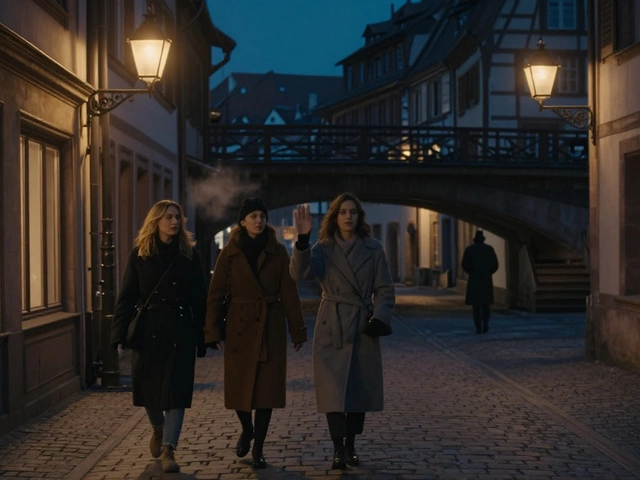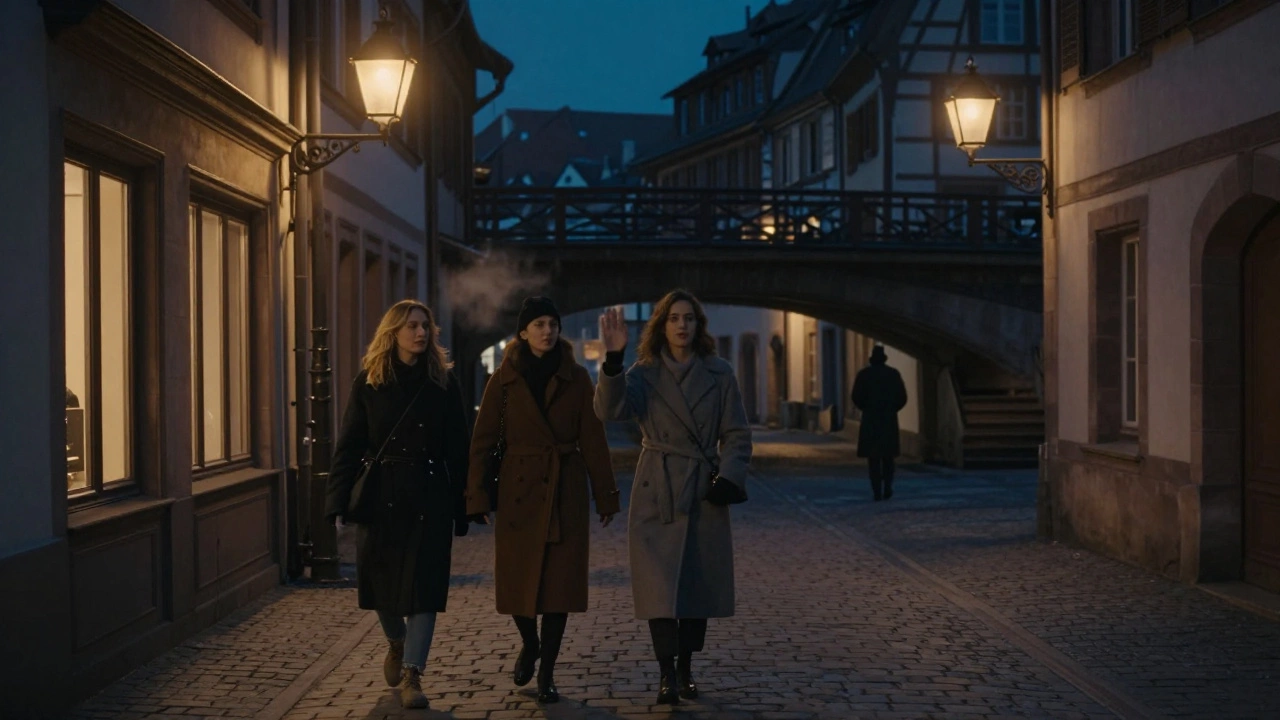
Strasbourg on a winter night isn’t just about the Christmas markets and the illuminated cathedral. It’s also where quiet moments turn into unexpected encounters - like women walking alone through the old town, their coats pulled tight, faces calm, eyes scanning the crowd. Some say they’re waiting for someone. Others say they’re just trying to get home. But if you’ve been there after midnight, you know the truth: sometimes, the most ordinary scenes hide the most complex stories. One of those stories involves a group of women who moved through the city like shadows, waving not flags, not signs, but something quieter - a signal, a code, a need. It’s not about tourism. It’s not about nightlife. It’s about survival, choice, and the invisible lines people cross when no one’s watching.
There’s a reason why people in other cities talk about girls escort in london - not because it’s glamorous, but because it’s real. In London, the same quiet exchanges happen in alleyways near Camden, under the glow of tube station lights, in cars parked outside flats in Brixton. The women aren’t asking for attention. They’re asking for safety, for time, for dignity. The same is true in Strasbourg. The difference? In Strasbourg, it’s not talked about. Not in the papers. Not in the cafes. Not even in the expat forums. But it’s there.
What Does ‘Blackout Escort’ Even Mean?
The term ‘blackout escort’ doesn’t come from a brochure or a marketing campaign. It’s street language. It’s what people whisper when they’re trying to explain why someone disappeared for a few hours and came back with a new coat, a fresh coffee, and no explanation. It’s not always about sex. Sometimes it’s about company. Sometimes it’s about being seen. Sometimes it’s about paying rent. In Strasbourg, where the cost of living has jumped 18% since 2022 and average wages haven’t kept up, women - some students, some migrants, some just tired of being invisible - find ways to make ends meet. They don’t advertise. They don’t post selfies. They don’t need to. They move through the city like anyone else - until they don’t.
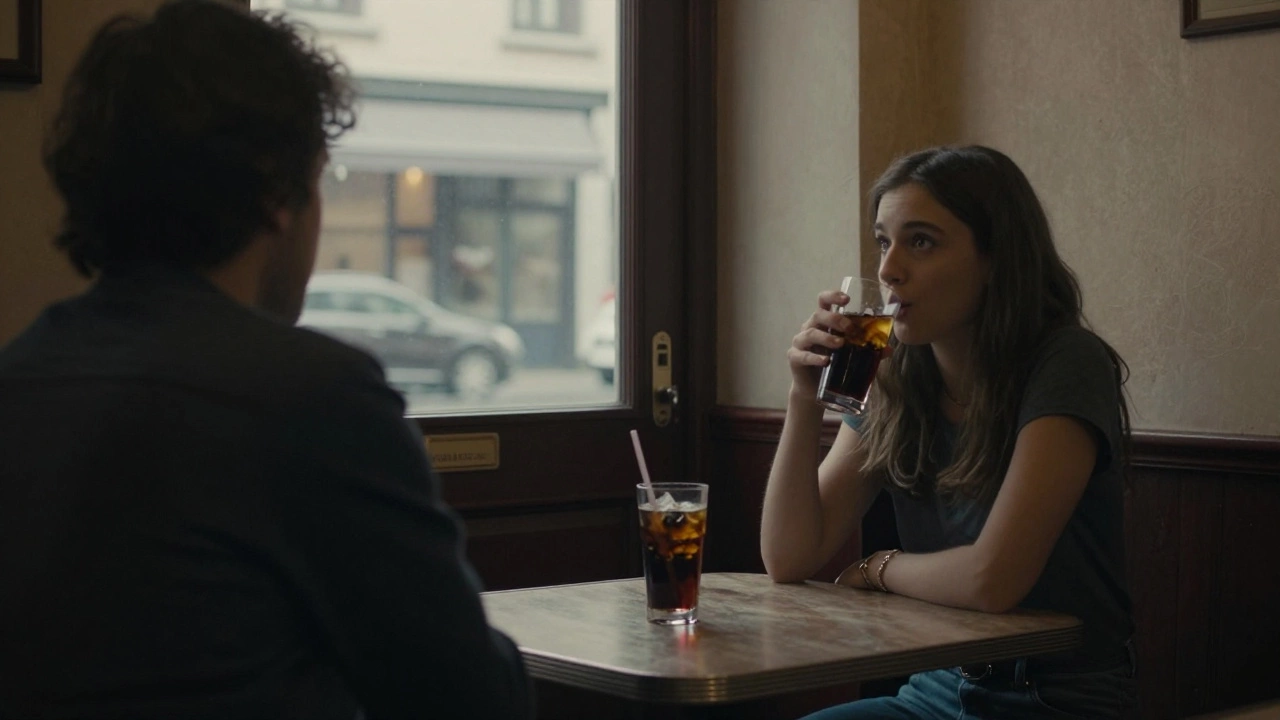
There’s a pattern. A woman walks into a bar near Place Kleber at 10:30 p.m. She’s alone. She orders a soda. She doesn’t look at her phone. She waits. Someone comes in ten minutes later. They exchange a glance. A nod. A few words. Then they leave together. No one asks questions. No one takes photos. No one calls the police. Because everyone knows: this isn’t a crime. It’s a transaction. And in a city that prides itself on human rights, no one wants to be the one to define it.
The Euro Escort London Connection
People assume these networks are local. But they’re not. The same women who walk the streets of Strasbourg sometimes show up in Brussels, in Frankfurt, in Amsterdam. And yes - sometimes in London. The term euro escort london isn’t a brand. It’s a descriptor. It’s the shorthand used by people who’ve seen the same faces in different cities, wearing different clothes, speaking different languages, but carrying the same exhaustion. These aren’t tourists. They’re not freelancers with websites. They’re women who moved across borders because they had to - not because they wanted to be part of a scene, but because the rent was due, the visa was running out, or the child needed medicine.
There’s no database. No agency. No contract. Just a phone number passed between friends. A WhatsApp group with one rule: no photos. No names. No police. The women don’t call themselves escorts. They call themselves ‘helpers.’ The men who find them don’t call themselves clients. They call themselves ‘friends.’ The language is soft. The power dynamic isn’t.
Why Strasbourg? Why Now?
Strasbourg sits at the edge of the EU. It’s a border city - not just geographically, but culturally. It’s French, but it speaks German. It’s part of the Schengen Zone, so people move through it easily. It’s got good public transport, affordable housing (compared to Paris), and a large student population. But it’s also got one of the highest rates of housing insecurity in eastern France. In 2024, over 1,200 women under 30 were listed as homeless or in emergency shelters in the Bas-Rhin region. Many of them are from Eastern Europe, North Africa, or Latin America. They came for education. They came for safety. They stayed because they couldn’t afford to leave.
The ‘blackout escort’ phenomenon isn’t new. But it’s growing. And it’s not because of demand. It’s because of collapse. The social safety net in France has been stretched thin. The minimum wage is €1,736 a month. Rent for a one-bedroom apartment in Strasbourg? €850. Add groceries, phone, transport, and healthcare - you’re at €1,600. That leaves €136 for everything else. For a woman without family, without papers, without English - that’s not a budget. That’s a countdown.
The Other Side of the Coin
Some people think this is exploitation. Some think it’s empowerment. The truth? It’s both. And neither. It’s complicated. A 22-year-old from Moldova I spoke to - anonymously, over coffee near the train station - told me she didn’t feel like a victim. She felt like someone who had choices. She could work in a factory for €10 an hour, six days a week, with no breaks. Or she could spend three hours a night with a man who paid her €150, let her use his apartment to shower, and gave her a ride home. She chose the latter. She didn’t romanticize it. She didn’t hate it. She just needed to survive.
That’s the part no one talks about. The women aren’t desperate. They’re calculating. They know their worth. They know the risks. And they know that if they’re caught by the police, they’ll be deported - not helped. So they stay quiet. They stay hidden. And they keep walking.
What About Sexy London Girls Escort?
You’ve probably seen ads online. ‘Sexy London girls escort’ - glossy photos, perfect lighting, smooth talk. That’s not what this is. That’s a different world. That’s a service industry with branding, websites, and Instagram profiles. What happens in Strasbourg? No branding. No profile. No reviews. Just a text message: ‘You free tonight?’ The women in Strasbourg don’t want to be seen. They don’t want to be searched. They don’t want to be trending. They just want to get through the night without being arrested, without being robbed, without being ignored.
The contrast is stark. In London, the ‘sexy girls’ are marketed as fantasy. In Strasbourg, the women are treated as invisible. One is commodified. The other is erased.
What’s the Real Solution?
Calling for crackdowns won’t fix this. Arresting women for working won’t solve housing shortages. Criminalizing their income won’t give them a better job. What does work? Access to housing. Legal work permits. Childcare. Mental health support. Language classes. These aren’t luxury items. They’re basic needs.
There are organizations in Strasbourg trying. The Association des Femmes Migrants offers legal aid and temporary housing. The Centre d’Accueil des Jeunes helps students find part-time work. But they’re underfunded. And they’re not talking about the women who disappear after midnight.
Until society stops seeing these women as problems - and starts seeing them as people - the blackout will continue. Not because they want to be hidden. But because the world refuses to look.