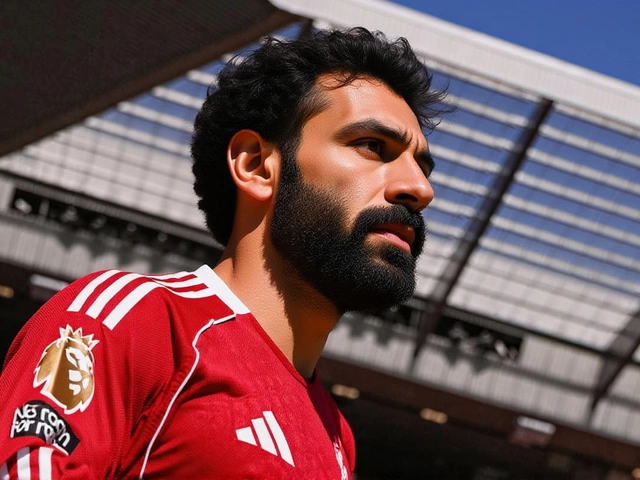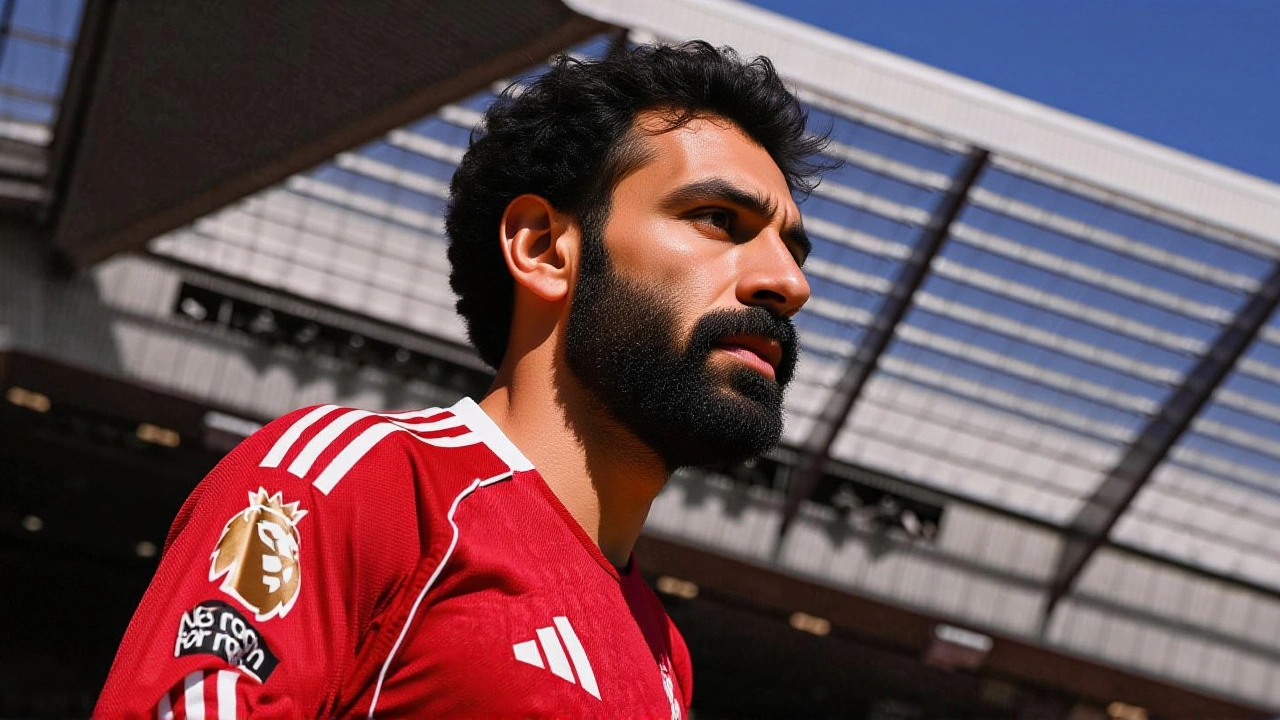
It started with a groan and a wave goodbye. When Mohamed Salah, the Egyptian forward whose name is synonymous with Liverpool Football Club, was substituted in the second half of Saturday’s 3-1 win over Crystal Palace, the mood at Anfield shifted instantly. The injury looked serious enough to derail his final weeks at the club. But here’s the twist: it wasn’t the end.
Arne Slot, head coach of Liverpool FC, initially played it cool. Too cool, perhaps. In the immediate aftermath, he told reporters, “We don’t know, that is the best answer I can give.” It was a classic manager’s non-answer, designed to manage expectations while medical staff assessed the damage. With only four games left in the season, every minute mattered.
From Panic to Precision: The Injury Timeline
The sequence of events unfolded rapidly. Salah, appearing to suffer a hamstring issue, applauded the home supporters as he left the pitch. That visual—Salah acknowledging the crowd while limping away—sparked immediate speculation about whether this was his final bow before his planned summer departure. Slot emphasized the tight timeline, noting that the season would conclude in "four or five weeks." He warned that if he hinted at a return, those words would become headlines, so he stuck to the script: wait and see.
But the narrative changed quickly. Within days, reports from This Is Anfield indicated that the club had downgraded the severity. The hamstring damage was deemed "minor." This shift was crucial. It moved the conversation from "Will he play again?" to "When will he be ready?" Slot’s public stance evolved from cautious uncertainty to quiet optimism, suggesting that Salah’s meticulous care for his body over the years would aid a swift recovery.
Slot’s Cautious Optimism and Squad Updates
As the week progressed, Slot provided more concrete updates, weaving Salah’s status into the broader picture of squad health. Ahead of the clash with Chelsea Football Club, Slot described Salah as "very, very close" to returning, though he compared his readiness to that of goalkeeper Alisson Becker, who was still not quite ready. This comparison offered fans a benchmark: if Alisson wasn't fit, Salah might need another few days.
However, by the time Liverpool prepared for their trip to the West Midlands to face Aston Villa Football Club, the news was definitive. the match against Aston VillaBirmingham became the stage for Salah’s comeback. Slot confirmed that Salah was fit to travel after a two-match absence. Yet, caution remained key. "Mo will be available tomorrow for only a few minutes," Slot stated, indicating a managed reintroduction rather than a full 90-minute marathon.
This approach highlights Slot’s pragmatic style. He isn’t risking a relapse for sentimental reasons, even as the club prepares for what many hope will be a "fairytale send-off." The focus is on preserving Salah’s fitness for the absolute finale, ensuring he leaves on his own terms, physically intact.
Broader Context: A Season Ending on a High Note
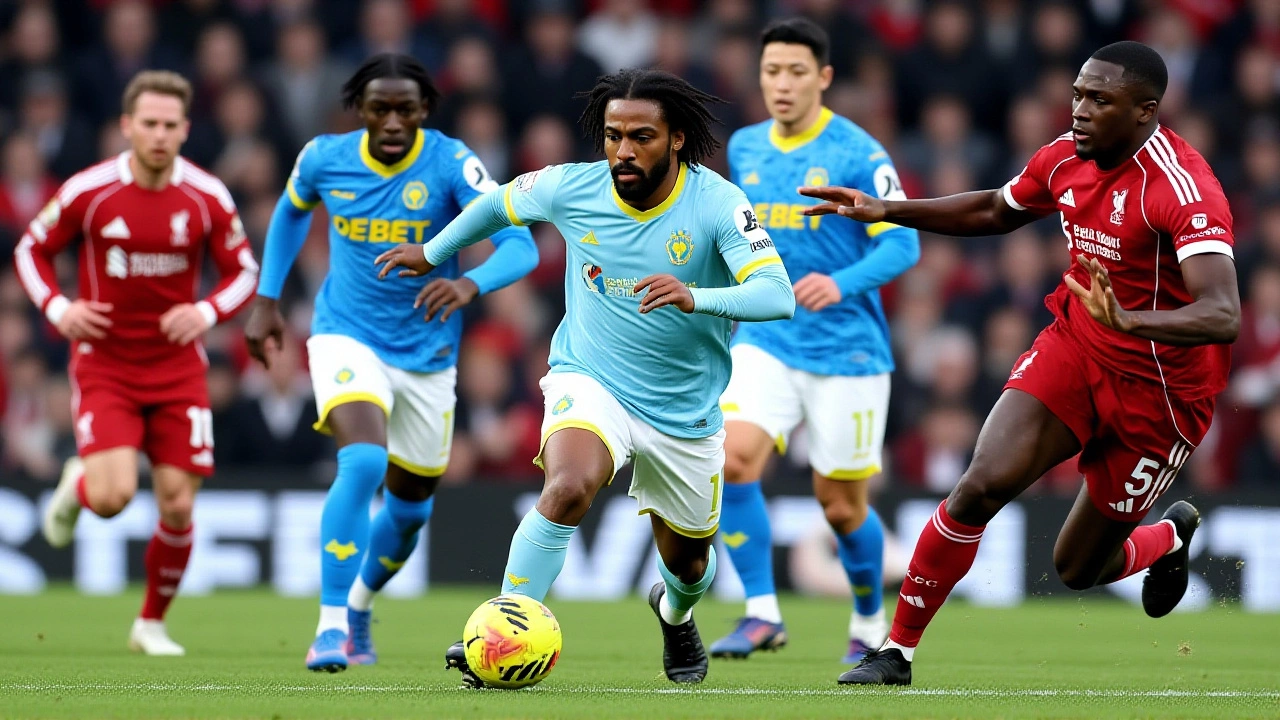
The significance of this injury scare extends beyond just one player. It occurred during a critical stretch where Liverpool needed consistency to secure their objectives. Salah’s absence for two matches tested the team’s depth, but his imminent return bolsters their attacking options significantly. His partnership with other forwards has been instrumental throughout the campaign, and his experience in high-pressure situations remains invaluable.
Moreover, the handling of the situation reflects the modern era of football management, where transparency is balanced with strategic ambiguity. Slot’s initial vagueness protected the player’s privacy and prevented media frenzy. Once the medical assessment was clear, the messaging became direct. This balance helps maintain fan engagement without creating unrealistic expectations.
For Salah, this period represents the twilight of a glittering career at Anfield. Every touch, every run, and now every minute of playing time carries extra weight. The fans’ reaction to his potential return underscores his iconic status. They aren’t just cheering for a goal; they’re celebrating the end of an era.
What’s Next for Salah and Liverpool?
Looking ahead, the remaining fixtures will test Liverpool’s resolve. With Salah back in the mix, albeit limited in minutes initially, the team gains a psychological boost. His presence alone changes how opponents defend. For Slot, managing Salah’s workload will be a delicate task. He must ensure the forward doesn’t push too hard too soon, while also capitalizing on his ability to influence games.
The coming weeks will likely see Salah gradually increasing his involvement. If all goes well, he could feature prominently in the final matches, potentially earning a standing ovation that echoes through the stadium long after the final whistle. Whether or not he scores in his last game, his legacy at Liverpool is already cemented. This injury scare, thankfully minor, adds a dramatic chapter to an already legendary story.
Frequently Asked Questions
Did Mohamed Salah tear his hamstring against Crystal Palace?
No, the injury was assessed as "minor" hamstring damage. While it forced him off the pitch during the 3-1 victory, medical scans did not reveal a severe tear, allowing for a relatively quick recovery timeline.
When is Mohamed Salah expected to play next?
Salah is expected to make his return against Aston Villa, though Arne Slot has indicated he may only play "a few minutes" initially to manage his fitness and avoid re-injury.
How many games are left in the season for Liverpool?
At the time of the injury, there were four games remaining. With Salah missing two, he has missed a significant portion of the final stretch, making his timely return crucial for the club's final objectives.
Is Mohamed Salah leaving Liverpool at the end of the season?
Yes, it is widely reported that Salah is due to leave Liverpool in the summer following the conclusion of the current season, marking the end of his highly successful tenure at the club.