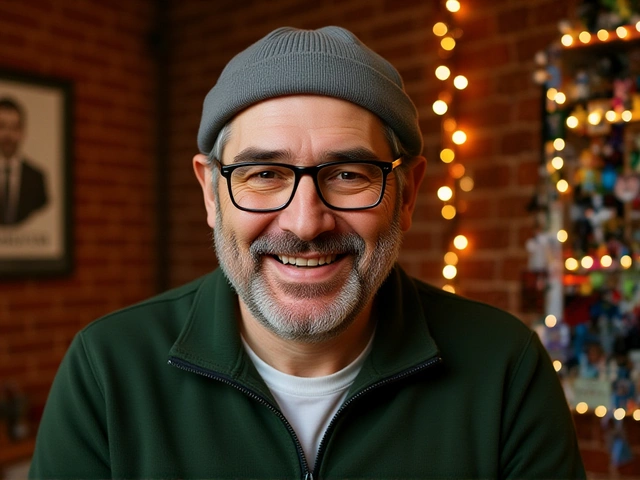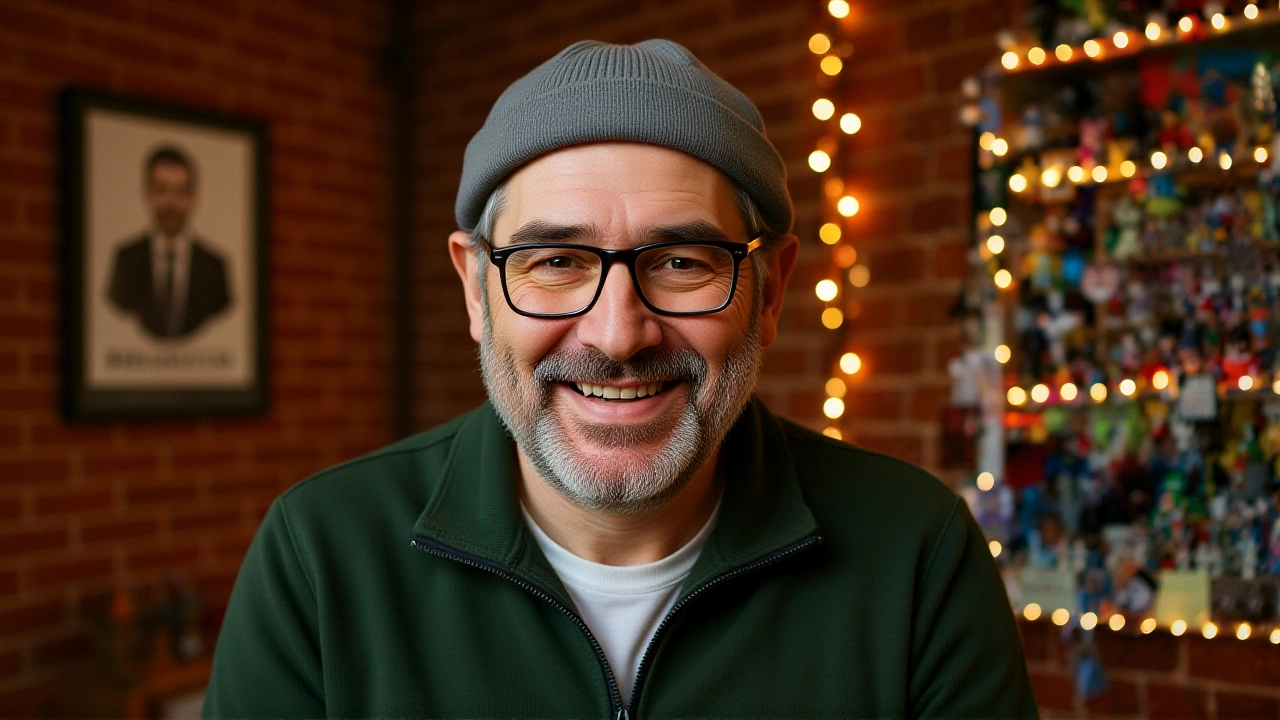
When Adam Buxton sat down to write a letter to his 20-year-old self for The Big Issue, he didn’t mention his comedy partnership with Joe Cornish, or the cult success of The Adam and Joe Show. Instead, he wrote about the quiet, exhausting, soul-deep toll of being a caregiver — for his father, then his mother. "Being a carer is the right thing to do — but it’s so hard, especially if it’s your parents," he wrote. It wasn’t a punchline. It was a confession.
The Unspoken Burden of Family Care
Around 2015, while working on a sitcom pilot that never took off, Adam Buxton found himself living with his aging father in their London home. Creatively stalled, emotionally raw, he began recording audio diaries. Those recordings didn’t just become the foundation of his award-winning podcast — they became his lifeline. "I was at a loose end," he told The Idler’s Tom Hodgkinson. "He was living here. I didn’t know what to do with myself. So I talked into a microphone. And somehow, that became everything." The emotional weight of watching your father decline — the confusion, the frustration, the helplessness — is rarely spoken about in public, especially by men raised in Buxton’s generation. He didn’t have a nurse. He didn’t have a plan. He had a house, a microwave, and a growing sense of guilt that he wasn’t doing enough.A Comedy Duo’s Roots in Rebellion
To understand Buxton’s perspective on care, you have to go back to 1985, when he was 16 and stealing film posters from the London Underground with Joe Cornish. "We’d peel them off, roll them up, and run," he recalled. "The police caught us once. We talked our way out by being as posh as we possibly could. They just didn’t believe two upper-middle-class boys could do something so vulgar." That same instinct — to subvert expectations, to mask vulnerability with wit — has defined his career. From The Adam and Joe Show on Channel 4 (1996–1999) to their BBC Radio 6 Music residency (2007–2009), the duo turned absurdity into art. Their 2004 DVD, The Adam and Joe DVD, included a segment called "BaaadDad," featuring Buxton’s own father, Nigel Buxton, in a mockumentary about parenting. At the time, it was funny. Now, it’s heartbreaking.
The Podcast That Became a Lifeline
Launched in 2015, The Adam Buxton Podcast began as a creative outlet. It quickly became something deeper: a space where grief, memory, and identity could be explored without scripts. Episodes featuring his mother’s declining health, his boarding school trauma, and his fear of rejection with women resonated far beyond comedy fans. By 2020, his memoir Ramble Book became an audiobook bestseller. His 2025 release, I Love You, Byee, opens with a chapter titled "The Last Conversation." He didn’t set out to be a voice for caregivers. But when listeners wrote in saying, "I thought I was the only one," he realized he’d accidentally documented a silent epidemic. In the UK, over 7 million people care for a family member. Nearly half are over 50. Few talk about the depression, the sleepless nights, the resentment that sneaks in when you’re supposed to be saintly.Health, Home, and the Countryside
Buxton now lives in the countryside with his wife, their children, and their dog. He’s cut out sugar. He walks daily. He checks his blood pressure. "I’ll be happy if the result comes in at anything under 65," he said on his July 15, 2025 podcast, referring to a recent health assessment. He didn’t elaborate on what the number meant — diabetes? cholesterol? heart risk? — but the implication was clear: he’s afraid. Not just of dying, but of becoming a burden himself. His reflections on aging aren’t theoretical. He talks about his mother’s refusal to accept help. "She’d rather fall than ask for a hand," he said. "That’s the generation. Pride before dignity." He still misses his father. He still hears his mother’s voice in his head, telling him to "stop being so dramatic." But now, he records it. And shares it. Because someone else might need to hear it.
What Comes After Caregiving?
The UK’s social care system is stretched thin. Local authorities can’t keep up. Families are left to fill the gaps — often at the cost of careers, relationships, and mental health. Buxton’s story isn’t unique. But his willingness to name the shame, the anger, the exhaustion? That’s rare. When he interviewed Rolf Harris at Glastonbury in 2002 — a moment he now regrets — he was chasing fame. Today, he’s chasing truth. And in doing so, he’s giving voice to the millions who care for their parents in silence.Frequently Asked Questions
Why is caring for aging parents so emotionally difficult?
Caring for aging parents often involves reversing roles — becoming the parent to the person who once cared for you. This can trigger deep-seated guilt, unresolved childhood tensions, and grief over the loss of the parent you once knew. Adam Buxton described this as a "soul-deep toll," where the moral duty to care clashes with the emotional exhaustion of witnessing decline, often without professional support.
How did Adam Buxton’s caregiving experience influence his podcast?
Around 2015, while caring for his father and creatively stuck, Buxton began recording personal reflections as audio diaries. These raw, unfiltered conversations became the foundation of The Adam Buxton Podcast. What started as a creative outlet evolved into a space for exploring grief, identity, and the hidden struggles of caregiving, resonating with millions who felt isolated in similar experiences.
What role did Buxton’s childhood play in shaping his views on relationships?
Buxton attended boarding school from a young age, which he says made him value deep friendships but instilled a lasting fear of rejection — especially with women. This emotional guardedness, combined with his parents’ generation’s stoicism, made it harder for him to ask for help when caring for them. He’s since spoken openly about how these early experiences shaped his reluctance to show vulnerability.
How has Buxton’s move to the countryside impacted his health and outlook?
Since relocating to the countryside with his family and dog, Buxton has improved his diet, increased physical activity, and reduced stress. He mentioned in his July 2025 podcast that he’s now focused on health metrics — hoping for results "under 65" — and credits the slower pace of rural life with helping him process grief and avoid burnout. The change wasn’t just physical; it was emotional sanctuary.
Why is Buxton’s openness about caregiving significant in British culture?
In the UK, caregiving for aging parents is often seen as a private, moral duty — not a public issue. Men, in particular, are discouraged from expressing emotional strain. Buxton’s candid reflections, especially as a well-known public figure, challenge the stigma. His honesty has helped normalize conversations about caregiver burnout, mental health, and the inadequacies of the UK’s social care system.
What legacy is Adam Buxton building through his storytelling?
Beyond comedy, Buxton is building a quiet legacy of emotional honesty. Through his podcast and memoirs, he’s documenting the unseen labor of family caregiving — not as a hero’s journey, but as a messy, painful, human one. His work doesn’t offer solutions, but it offers solidarity. For many, hearing him say, "It’s so hard," is the first time they’ve felt seen.